


 Language
 English
 русский
 Español
 Português
 Deutsch
 عربى
عربى italiano
 Türk
Türk हिंदी
हिंदी Indonesia
 Tiếng Việt
If you need any help, please feel free to contact us

How Corrosion Resistance Improves Aluminum Cable Tray Service Life in Industrial Settings
Content
- 1 The Real Cost of Corrosion Is Not on the Datasheet
- 2 How Corrosion Actually Shortens Aluminum Cable Tray Service Life
- 3 The Two Levers That Determine Tray Service Life
- 4 Realistic Service Life Numbers by Environment
- 5 Installation Decisions That Undo Corrosion Resistance
- 6 What to Verify Before Approving a Tray Specification
- 7 The Bottom Line: Corrosion Resistance Is a System
The Real Cost of Corrosion Is Not on the Datasheet
A coastal processing plant replaced 1,200 meters of aluminum cable tray after only six years of service. The tray had never carried more than 40 percent of its rated load, and no impact damage was reported. Laboratory analysis found chloride-induced pitting and galvanic corrosion concentrated at stainless steel splice plates. The failure was caused by material selection and installation practice, not by structural overload.
That sequence plays out in industrial facilities every year. Corrosion is the single largest determinant of aluminum cable tray service life. It matters more than sheet thickness, load rating, or the quality of the cut and formed edges. When corrosion is controlled properly, aluminum tray systems routinely last 25 to 40 years. When it is ignored, the same product can fail in under a decade.
How Corrosion Actually Shortens Aluminum Cable Tray Service Life
Aluminum does not rust, and that simple fact lulls many specifiers into false confidence. Red-brown iron oxide does not form, so corrosion is less visible and often well advanced before it is noticed. In practice, three mechanisms dominate aluminum tray failures.
Pitting Corrosion
Chlorides from seawater, de-icing salts, cooling-tower drift, and industrial emissions attack weak points in the natural oxide film. Pits form, grow deeper, and can perforate the tray wall before significant surface loss is visible. Each pit also acts as a stress concentrator, reducing the effective load-bearing cross-section. A tray that still looks passable to the eye can already have lost a substantial share of its structural capacity.
Galvanic Corrosion
When aluminum contacts copper, brass, or uncoated steel in the presence of moisture, aluminum becomes the anode and corrodes preferentially. The symptom is white, chalky hydroxide deposits around bolts, splice plates, and supports. Fastener choice is therefore a service-life decision, not a hardware detail. Stainless steel fasteners are the minimum requirement outdoors, and isolating pads should be added wherever large stainless components meet an aluminum tray.
Crevice and Deposit Attack
Water and contamination collect under tray covers, at overlap joints, and beneath fittings. Trapped electrolyte remains wet longer than exposed surfaces, accelerating local breakdown of the oxide layer. Solid-bottom trays without drain openings, and trays fixed directly against structural steel or concrete, are the most vulnerable.
The Two Levers That Determine Tray Service Life
Corrosion resistance in an aluminum cable tray comes from exactly two sources: the alloy and the surface protection. Everything else, including geometry and accessories, supports those two decisions.
Alloy Composition: The First Line of Defense
The 6000-series alloys are the industry standard for aluminum cable trays. 6063-T6 is the most common choice because it combines formability, smooth extrusion surfaces, and dependable corrosion performance. 6061-T6 delivers higher mechanical strength for long spans and heavy cable loads. Both are stabilized by magnesium and silicon, which preserve the self-healing behavior of the oxide film. Alloys with high copper content should never be used for tray structural sections, because copper additions seriously reduce pitting resistance.
A supplier should confirm the alloy grade and temper with every batch, and that certificate carries more weight than surface appearance. This guide to how to choose the right aluminum alloy cable tray covers the additional criteria specifiers should apply.
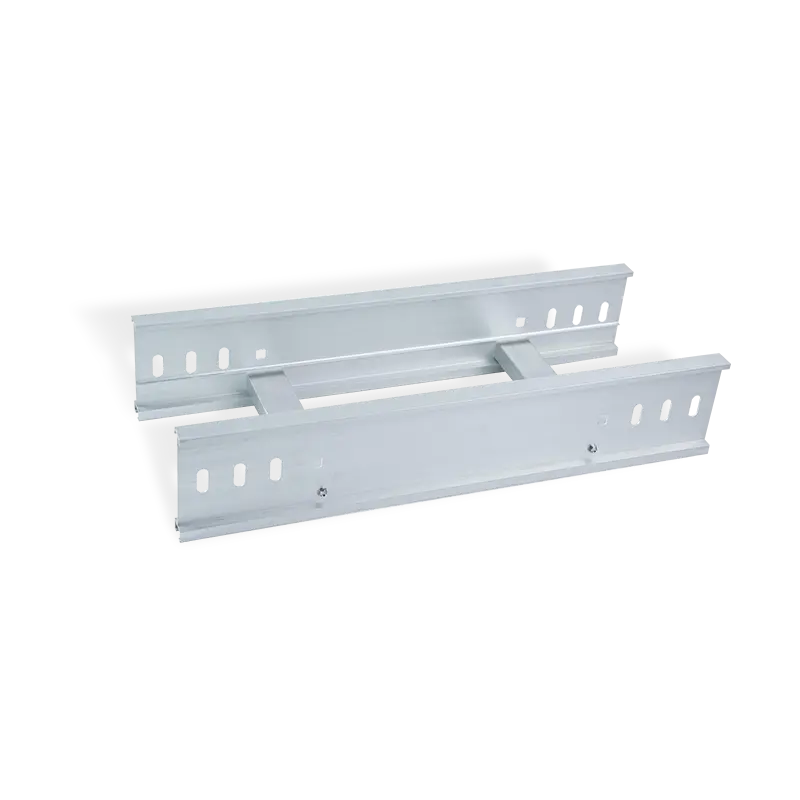
When you need a coordinated system rather than a random mix of profiles, the aluminum alloy cable tray system offered by Jiangsu Youming Group keeps trough, ladder, and punched sections within the same alloy family.
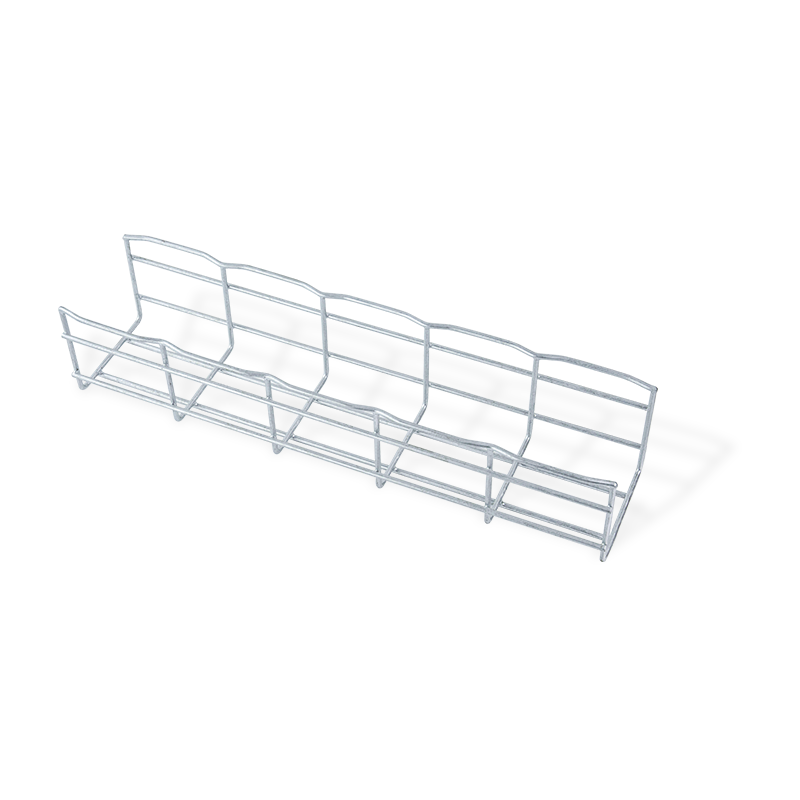 Custom Industrial Aluminum Alloy Cable Tray System ManufacturersJiangsu Youming Group Co., Ltd. is China Custom Industrial Aluminum Alloy Cable Tray System Manufacturers, Company, We Offer OEM/ODM Indu...View Product →
Surface Protection: The Second Line
The natural oxide film on fresh aluminum is only 2.5 to 5 nanometers thick, roughly 500 times thinner than a human hair. That is enough for dry, controlled indoor spaces and not enough for outdoor or process-area exposure. Two practical upgrades exist.
Anodizing electrochemically thickens the oxide to 5 to 25 micrometers, creating a hard, abrasion-resistant surface that resists chloride attack far better than the natural film. It is the preferred finish for marine and frequent-washdown installations.
Powder coating and plastic-sprayed finishes add a polymer barrier of 60 to 120 micrometers over a conversion-coated surface. The coating isolates the aluminum from the atmosphere and provides chemical resistance, which makes it the standard choice for chemical plants, wastewater facilities, and exposed outdoor runs. Field cuts and drilled holes interrupt the barrier, so they must be touched up with a compatible coating.
| Protection System | Effective Thickness | Service Life in Coastal or Industrial Outdoor Service | Typical Applications |
|---|---|---|---|
| Natural oxide film | 2.5–5 nm | 10–15 years | Indoor dry, controlled humidity |
| Anodizing | 5–25 µm | 20–30 years | Marine, washdown areas, food facilities |
| Powder coating / plastic spraying | 60–120 µm | 25–40 years | Chemical plants, exposed outdoor, high-UV regions |
Realistic Service Life Numbers by Environment
In a dry, controlled indoor environment, aluminum tray life is governed by mechanical damage rather than corrosion. Outdoors and in process atmospheres, the protection system sets the limit. Planning figures from field experience:
- Indoor, controlled humidity, bare aluminum: 30+ years, limited by physical damage.
- Coastal outdoor, bare aluminum: 10 to 15 years before pitting is visible; perforation may follow within five more years.
- Coastal outdoor, anodized: 20 to 30 years with routine inspection.
- Coastal outdoor, powder coated: 25 to 40 years with field-cut touch-up.
- Chemical process areas inside buildings, plastic-sprayed finish: 15 to 25 years, depending on the specific agent.
The economic impact is direct. A coated tray costs roughly 10 to 25 percent more than bare aluminum at purchase, but replacement, including labor and downtime, costs three to eight times the original material price. Extending service life from 12 to 30 years changes project economics more than almost any other specification decision.
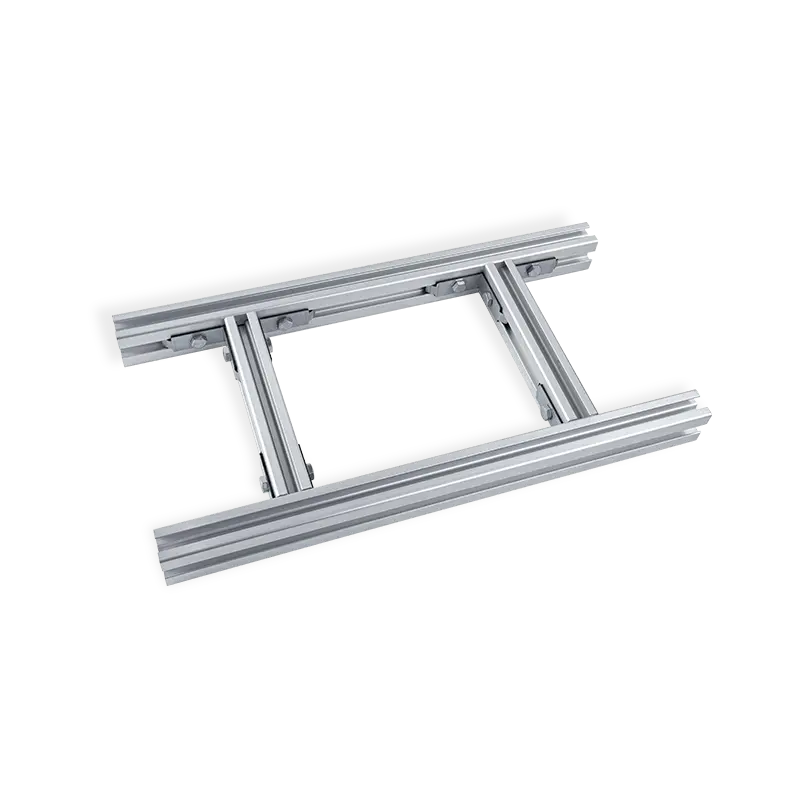
For outdoor industrial runs where corrosion resistance and mechanical ruggedness matter equally, a plastic-sprayed aluminum cable ladder provides a thick polymer barrier and an open structure that drains and ventilates well.
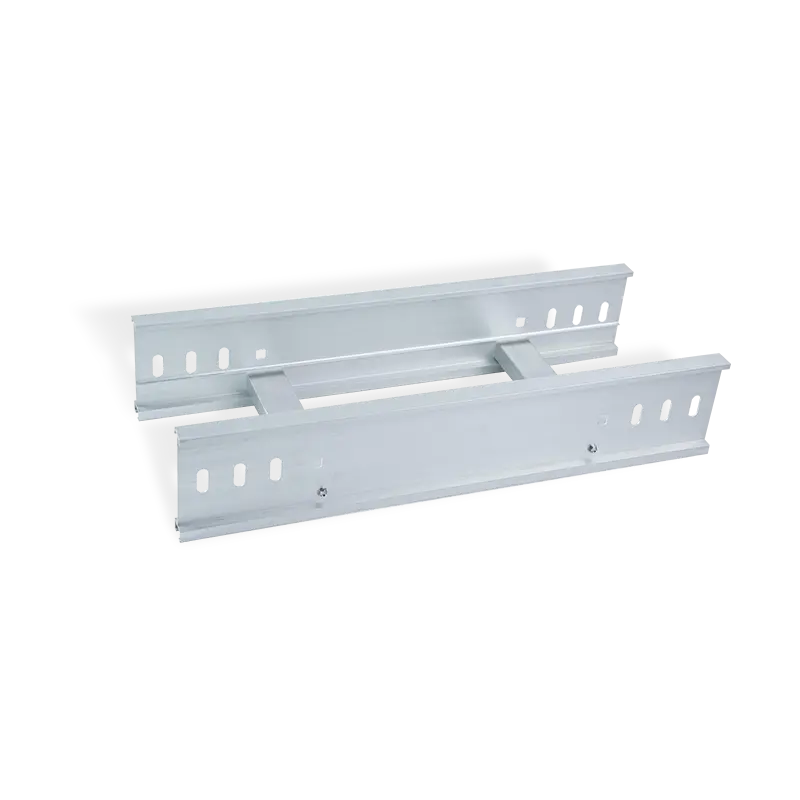 Custom Aluminum cable ladder Suppliers, FactoryJiangsu Youming Group Co., Ltd. is China Custom OEM/ODM Aluminum cable ladder Suppliers and Factory,Aluminum profile ladder cable tray, c...View Product →
Installation Decisions That Undo Corrosion Resistance
The best alloy and finish will fail early if the installation works against them. The most common errors, in order of impact:
- Dissimilar-metal fasteners. Copper, brass, and zinc-plated steel fasteners create galvanic cells that attack the aluminum tray. Use 300-series stainless steel or aluminum-compatible hardware.
- Unprotected field cuts. Sawing a coated tray exposes bare metal. Every cut edge and drilled hole needs touch-up coating.
- Blocked drainage. Solid-bottom trays and covers must be sloped or fitted with weep holes. Standing water multiplies the corrosion rate.
- Direct contact with incompatible materials. Mounting aluminum against copper or uncoated steel creates a bimetallic couple; install isolating pads where the risk is high.
- Skipped inspection. Corrosion starts small. An annual check for white deposits, pitting, and corroded fasteners costs a fraction of a tray replacement.
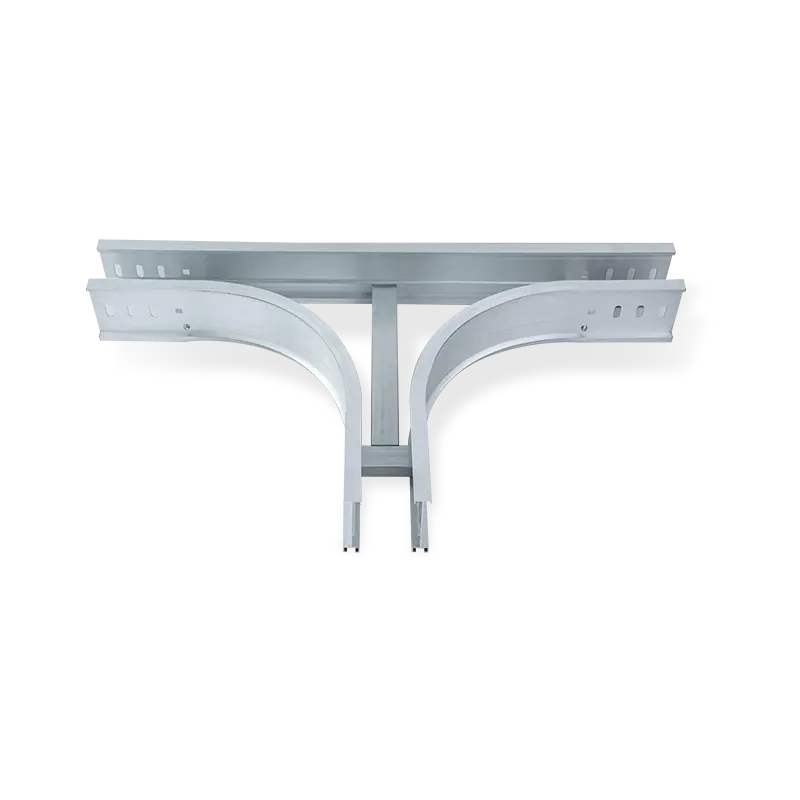
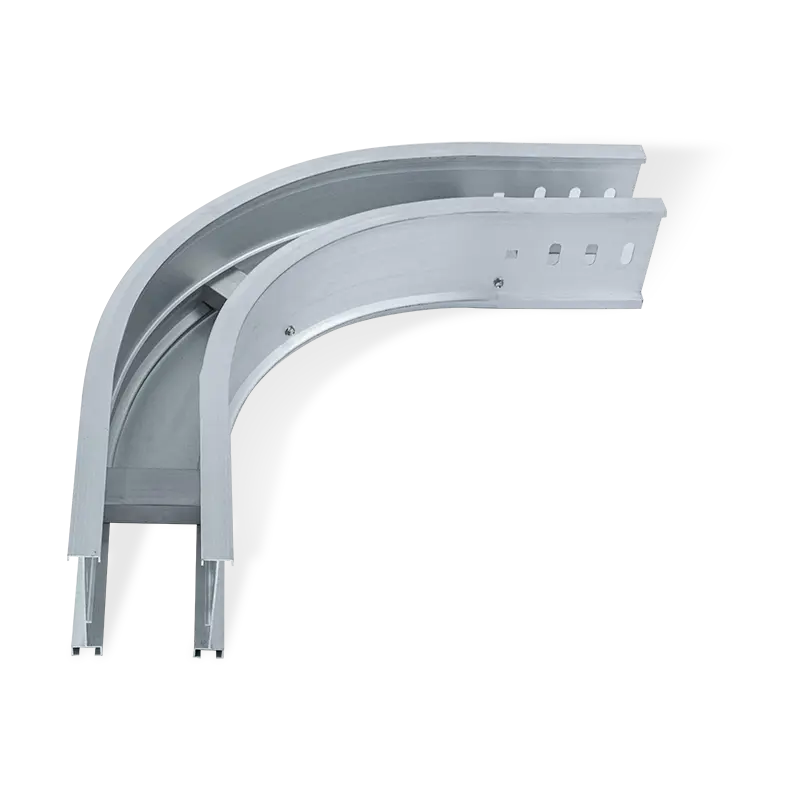
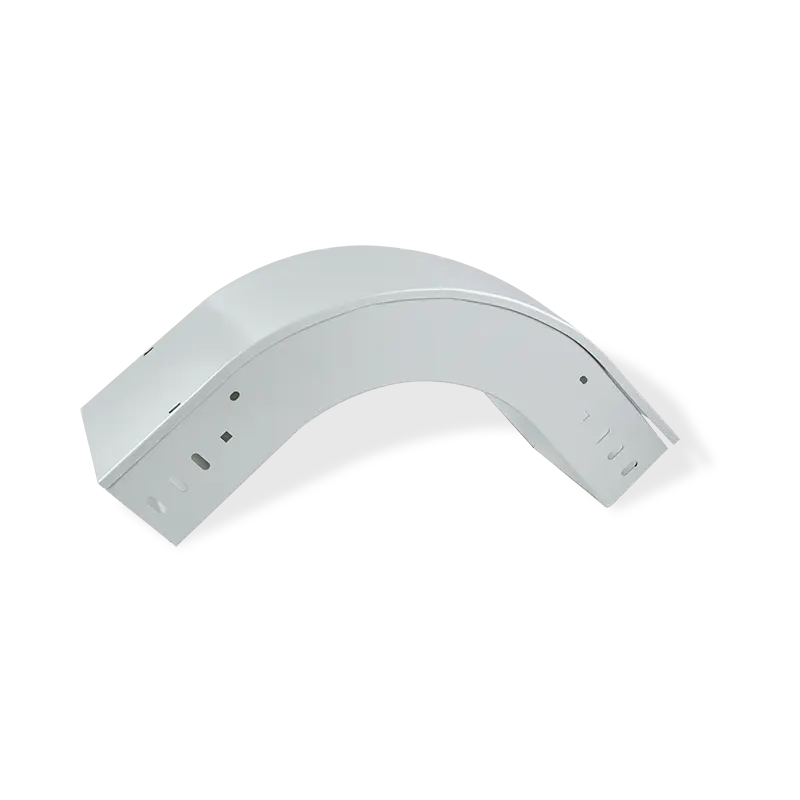
Fittings deserve the same attention as straight sections. Specifying elbows, tees, and reducers from an unrelated supplier risks alloy and coating mismatches. Aluminum alloy cable trunking elbow and tee accessories matched to the main tray system keep the electrochemical behavior consistent across the whole run.
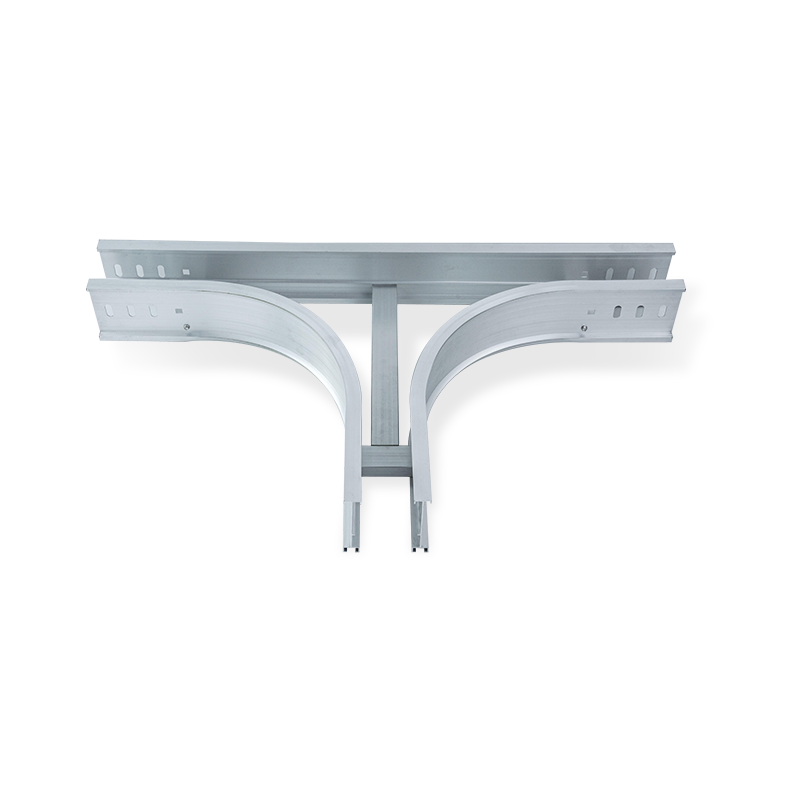 Custom Aluminum alloy cable trunking elbow tee accessories Suppliers, FactoryJiangsu Youming Group Co., Ltd. is China Custom OEM/ODM Aluminum alloy cable trunking elbow tee accessories Suppliers and Factory,Aluminu...View Product →
Maintenance plays a larger role than most buyers expect. Washing off salt and chemical deposits and re-touching damaged coating are inexpensive, high-impact actions; the maintenance tips for aluminum alloy cable trays outline the practical schedule for industrial sites.
What to Verify Before Approving a Tray Specification
Corrosion resistance claims should be verifiable, not decorative. Confirm the following before you release the specification:
- Alloy grade and temper certificate for each lot.
- Surface protection type and coating thickness values.
- Pretreatment and finish details for powder-coated trays, not just a color name.
- Fastener material requirements for every joint and support.
- Conformance to the load and span standard used in the design.
Fabrication consistency matters as much as material certification. Poorly deburred edges, uneven tolerances, and irregular coating application create local weak points that corrosion finds first. A manufacturer with automated forming and coating lines produces more predictable quality than manual fabrication, and Jiangsu Youming Group's automated production lines are a practical example of process control protecting the finished surface.
The Bottom Line: Corrosion Resistance Is a System
An aluminum cable tray is not corrosion-resistant simply because it is made of aluminum. It becomes corrosion-resistant when alloy, surface protection, fasteners, drainage, and inspection are treated as one system. Specify 6000-series material, choose the finish for the actual environment, protect every field cut, and pair the tray with compatible hardware. Do that, and a 30-year service life is a realistic planning number rather than a marketing claim.
Jiangsu Youming Group manufactures aluminum, stainless steel, hot-dip galvanized, and plastic-sprayed tray systems in a facility with over 26,000 square meters of production space and an annual capacity above 30,000 tons, so the alloy, coating, and accessories can be matched from one source.
Related Products
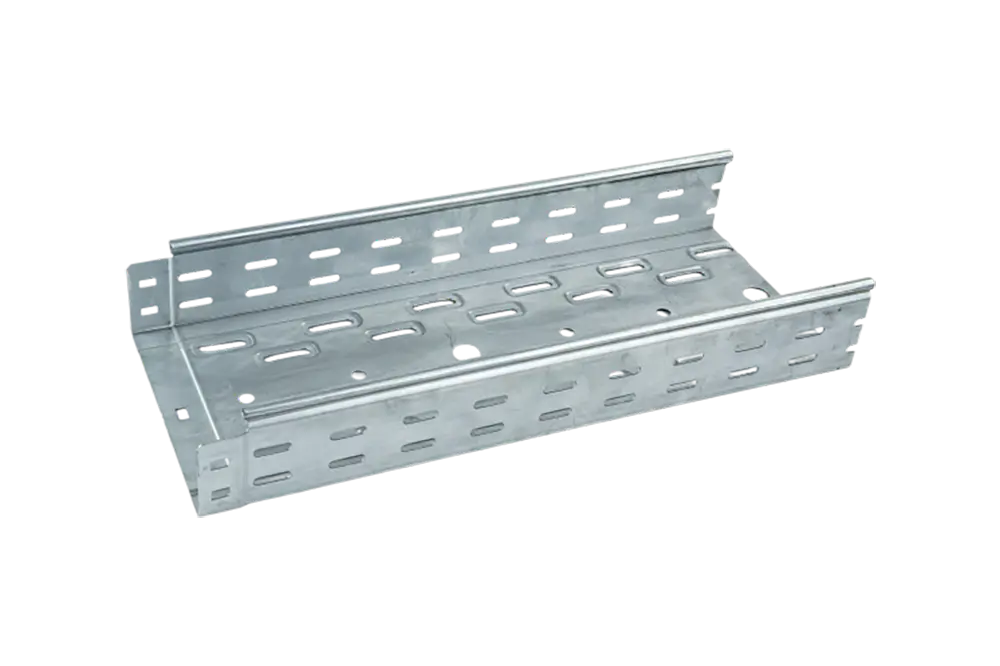
Recommended NEWS:
Cable Tray Coating Selection Guide 2024 | Corrosion Resistance & Cost Comparison
How to Choose the Right Aluminum Alloy Cable Tray for Your Electrical Systems
The Critical Guide to Corrosion Resistance: Selecting the Right Ladder Rack Cable Tray for Specific Environments
How to Prevent Cables from Slipping in Tilted or Vibrating Environments? Anti-slip Cable Tray Selection Guide
Aluminum Alloy Cable Tray Installation Guide: Step-by-Step Process
Recommended LINS:

Youming Group is a manufacturing group company mainly engaged in the research and development of new high-strength cable tray
Product
- Wire Type Cable Tray Series
- Punched Type Cable Tray Series
- Trough Type Cable Tray Series
- Cable Rack Ladder Series
- Ladder Type Cable Tray Series
- Marine Cable Ladder Tray
- Strut Channel Cable Tray Series
- Accessories
- Fiber Cable Tray/Optic Cable Tray
- Photovoltaic Stents
- Stainless Steel Cable Tray Series
- Aluminum Alloy Cable Tray System
Contact information
-
No.36, Taidong Industrial Zone Shiyan Town, Dongtai City, Jiangsu Province
